
From rural Vermont, family carries on an Italian sausage-making tradition
By STACEY MORRIS Contributing writer
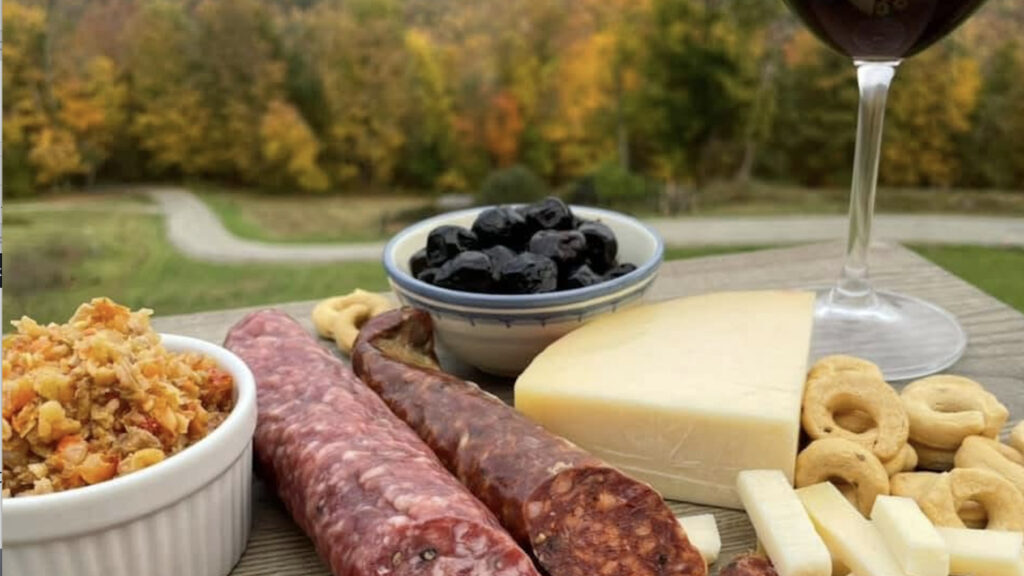
MANCHESTER, Vt. It’s tasting day at The Italian Market of Manchester, and even with the scarcity of street parking on a crisp fall Saturday, lovers of salami, pepperoni, spianata and Italian sausage file through the doors to sample the products of the Vermont-based company Fortuna’s Sausage.
“This is nothing like commercial salami,” a wide-eyed customer remarked as he reached for another ruby slice of finocchiona, a fennel- infused salami.
Standing at the helm of the smorgasbord of Italian delights was Patti Fortuna Stannard, whose grandparents started the family salami- making tradition more than a century ago.
Celebrity food mavens from Martha Stewart to Mary Ann Esposito and Rachael Ray have raved about Fortuna’s finocchiona as well as its pepperoni, dry sausage, and mortadella with pistachios, to name just a few of the two-dozen varieties the company sells at specialty markets and on its website.
For three generations, Fortuna’s — now run by Patti and her husband, Paul Stannard — has been making domestic artisanal salami in the old-world style of cured meats: with traditional methods and few ingredients.
The core of the family recipe is pork, salt and natural seasonings. Fortuna’s relies on a time-honored curing process, and its main ingredient is sourced from pigs that are pasture grazed and humanely raised. The company has customers from coast to coast.
The roots of the business can be traced back a century to when Patti’s grandparents brought their sausage recipes to America from their native Calabria, a region in southern Italy at the toe of the Italian boot. In the early 1900s, Joseph and Filomena Marchio opened an Italian market in Bridgeport, Conn.
Patti Fortuna Stannard displays a sampling of the cured meats and other products of her family business, Fortuna Sausage. The company’s roots go back to her grandparents’ recipes from Italy.
Patti’s parents met while they were both working at the market. After they married, Pat and Ida Fortuna took over the business when the Marchios retired. But then they closed the market for about 17 years as they raised four children while Pat worked for P. Ballantine & Sons, the Newark, N.J., brewing company that made Ballantine beer.
As their children grew older and Pat wearied of the commute to New Jersey, the couple decided to resurrect their deli business. They opened a store in Fairfield, Conn., in 1972, and it proved so successful that they opened seven more stores throughout the state.
Second generation carries on
The collaboration between Patti and Paul began in 1976, when Patti was a teenager working at Fortuna’s Deli in Westport, Conn., one of the eight markets run by her parents. Paul walked in one day as a customer and eventually became an employee. As with Patti’s parents before her, the market played matchmaker and the two ended up marrying.
They moved to Rhode Island to raise a family and to open their own Italian deli, making it a point to continue family recipes from Calabria — and in particular, the colorful and aromatic spiciness that Calabrian cured meats are known for.
Word began to spread locally, and in 1991, a vacationing Los Angeles Times food writer ambled in one afternoon. She was impressed enough to write a piece about their salami, and phone calls from the West Coast suddenly flooded in.
“We didn’t know what was going on. … Then our mayor’s office called and said, ‘The L.A. Times called you America’s best salami,’ ” Patti remembered. “That triggered a growing spurt, and we contacted the USDA so we could start shipping nationwide.
“Soon we had people like Jay Leno placing orders,” she recalled. “We kept expanding, but we were also firm about keeping our Calabrian roots and recipes.”
Patti and Paul remained in Rhode Island for 22 years, but after their kids were grown, they decided to semi-retire and move full time to the family’s Vermont vacation home in Sandgate, 15 miles southwest of Manchester.
“We thought we were going to slow down a bit, get out of retail, and just do mail order,” Patti said. “But we’ve been busier than ever.”
Their customers include Italian Americans who miss the authentic ingredients they grew up with, as well as plenty of non-Italians who adore their flavorful products.
“We get orders from a lot of transplants who once lived in New Jersey, Connecticut or Rhode Island and are used to having products like these at their fingertips but have moved away from where the Italian markets are,” Patti explained. “They often order in bulk because they want their pantries stocked.”
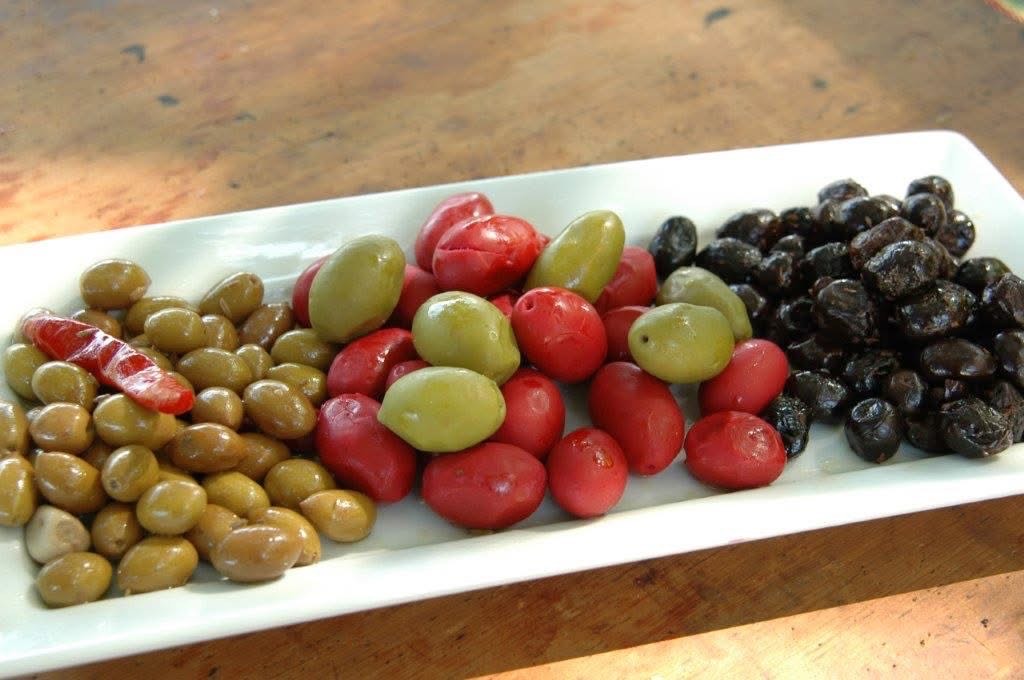
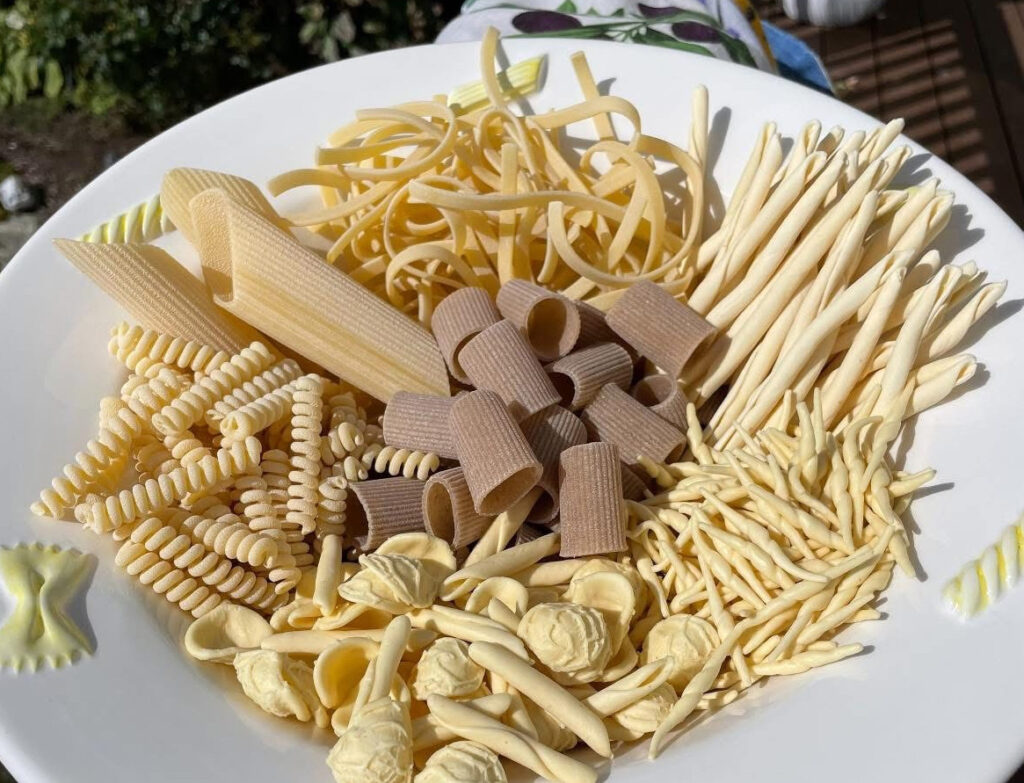
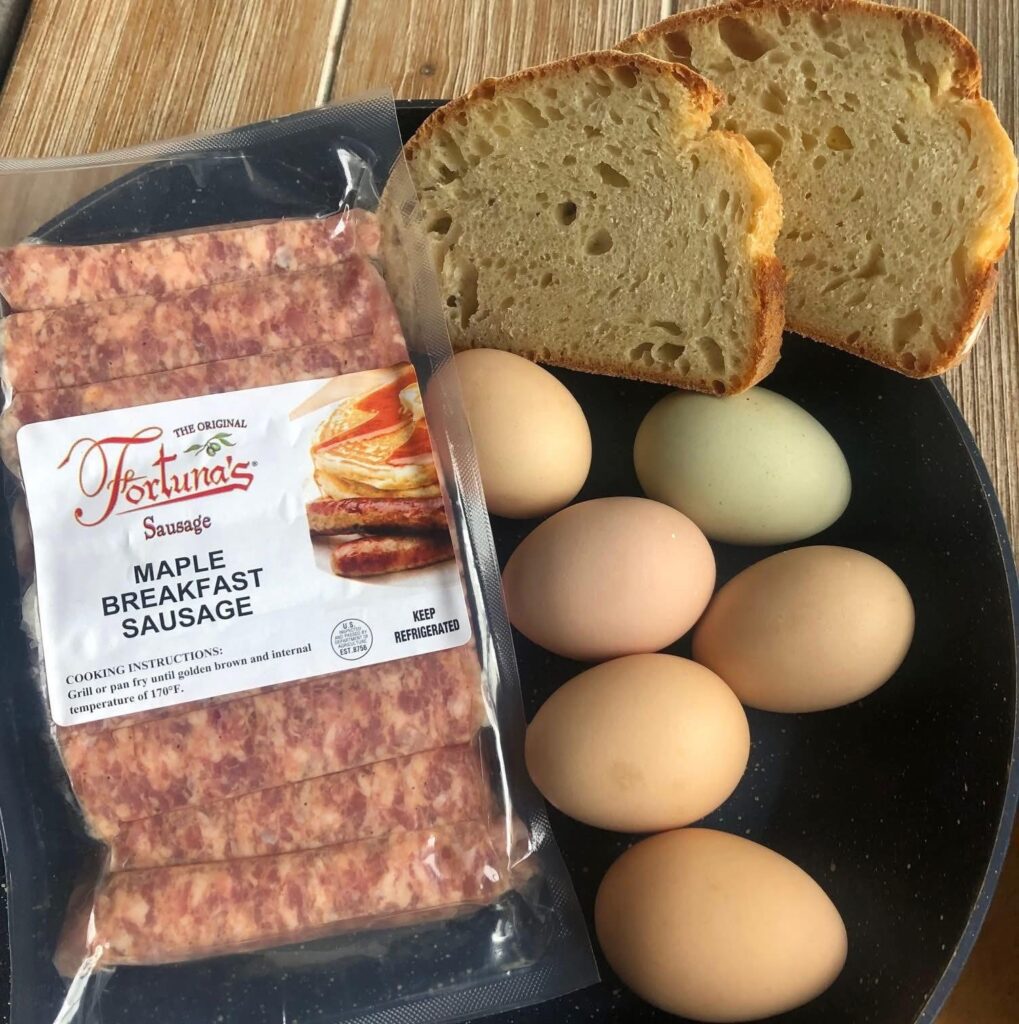
From their scenic 150-acre property in Sandgate, Patti and Paul keep up with the demand for their salami products as well as imported Italian specialty foods ranging from pasta, cheeses and tomato purees to hot stuffed cherry peppers and bags of Italian cookies.
Among the nearly 200 specialty food items on the Fortuna’s website are honey products crafted by Paul, a longtime beekeeper. His artisan varieties of honey include those infused with a honeycomb as well as hot and spicy, maple cream, orange cream, and lemon cayenne flavors.
Patti oversees the mail-order operation, and Paul blends the spices and seasonings that give their cured pork its distinct flavor. Each salami variety requires a different ratio of ingredients depending on the variety.
“We’re very strict about our peppers being of certain grades,” Patti explained. “Our paprika and all the Calabrian peppers come from Calabria. Everything we use is natural. Some items we use celery powder in, because it’s a natural preservative to keep the reddish color. The paprika used in the Soupy, our most popular salami product, keeps the color vibrant and beautiful naturally.”
Cultivating local pork sources
Pork for their products is sourced from farms in New York and Pennsylvania, but plans are in the works for a few Vermont-based farms to come on board.
“The local Vermont pork salami will be called our ‘special reserve,’” Patti said.
Fortuna’s works with independent meat processors who make the actual sausage near the farms that raise the pork — using Fortuna’s spice blends shipped from Vermont.
“We visit regularly to make sure they’re following our precise process,” Patti said, adding that a significant contributing factor to their products’ quality is the curing and drying process.
“Many commercial salami products found in supermarkets are from a 24-hour cooking, processing and packaging process,” she explained. “It’s very quick, and it’s why the texture can be so rubbery.”
In contrast, she compares Fortuna’s curing practices to the aging of wine. The pork is ground and mixed, and then it ferments naturally under temperature control. After the 24-hour fermentation process, the mixture is then packed in natural casings. Depending
on the recipe, fragrant sticks of guanciale and salami, pancetta, capicola and Italian rope sausage are then wheeled into drying rooms for 8-12 weeks.
“It’s a unique process that sets us apart,” Patti said. “A lot of TLC goes into it. The whole process takes about three months. No heat ever touches our products; they’re all cured naturally.”
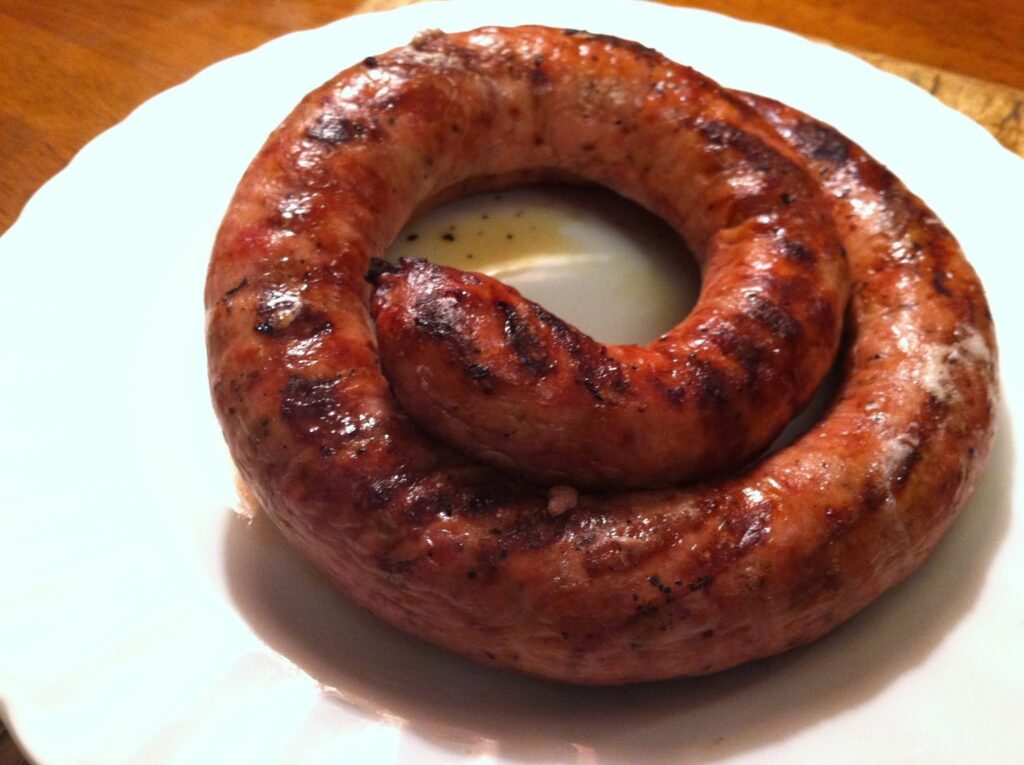
The results have won some high-profile fans. The Wall Street Journal praised Fortuna’s sweet coppa for its reddish hue, tenderness and uniform fat distribution. And someone used Fortuna’s gift club to send Brook Shields and her husband a monthly salami gift.
“And Rachael Ray has used our pasta, 11 guanciale and salami for years on her TV show and online cooking videos,” Patti added.
The company also sells to specialty food markets around the country, including the Old World Gourmet Market in Saratoga Springs and The Italian Market of Manchester, which is run by the couple’s son Chris Stannard. Now in its ninth year, the market began as a Christmas season pop-up venture and took off.
“Up until that point, I was selling products at craft fairs and farmers markets,” Chris Stannard recalled. “Sales were going well, and I had a gut feeling that the market might work.”
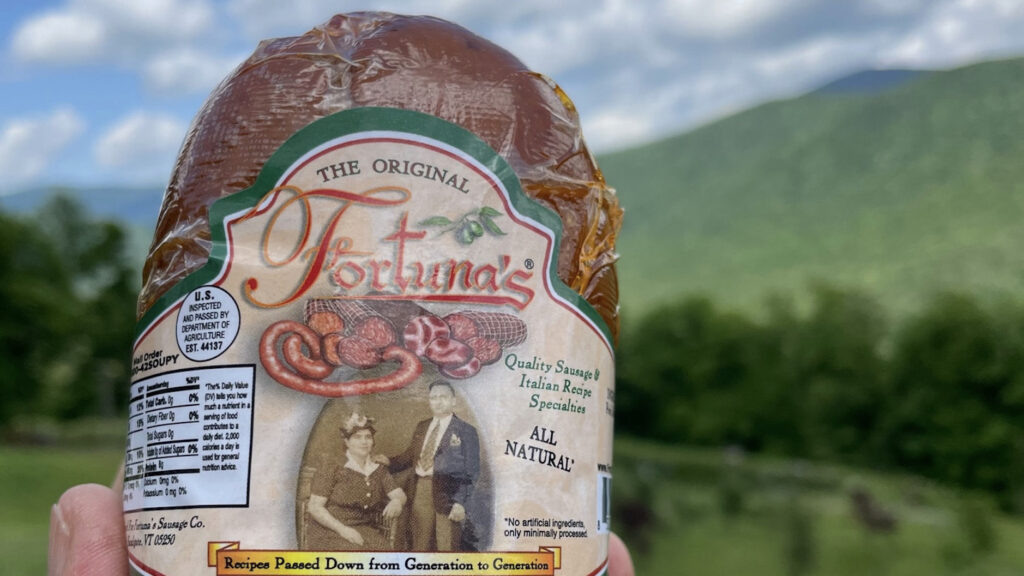
He added that his brick-and-mortar trade is a mix of tourists and locals. The latter group, he said, includes many long-term, loyal customers.
“We couldn’t do it without them,” he said. “And the tourists who want more when they return home go to our website. The two work nicely together.”
Patti said she hopes the sausage-making business will carry on through Chris and possibly his 12-year-old son, Jack, who already helps at the market and with the mail orders.
While the fourth generation of the business takes root, Patti continues to underscore the importance of its origins.
“I always say, ‘We’re made in the U.S.A. with our Calabrian roots,’” she said, adding that they’re about to launch a new line of products under the label Marchio Famiglia.
“It’s named after my grandparents who started it all,” she explained. “I think they’d be very happy.”

Visit FortunaSausage.com for more information about the company and its products.